Field-Cycling NMR illuminator
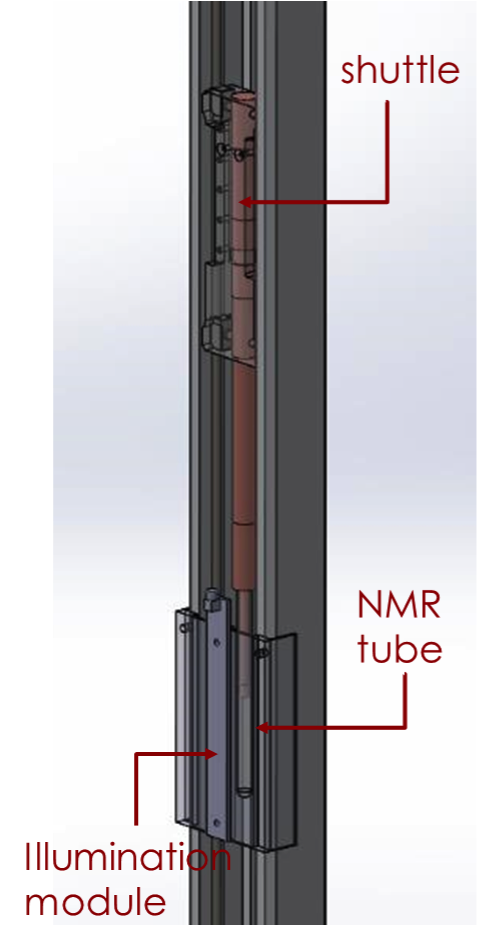
The illumination device for Field-Cycling NMR, field-cycling NMR illuminator, can adapt directly to the shuttle rail with a changeable position according to the stray fields of measurements.

The illumination device for Field-Cycling NMR, field-cycling NMR illuminator, can adapt directly to the shuttle rail with a changeable position according to the stray fields of measurements.
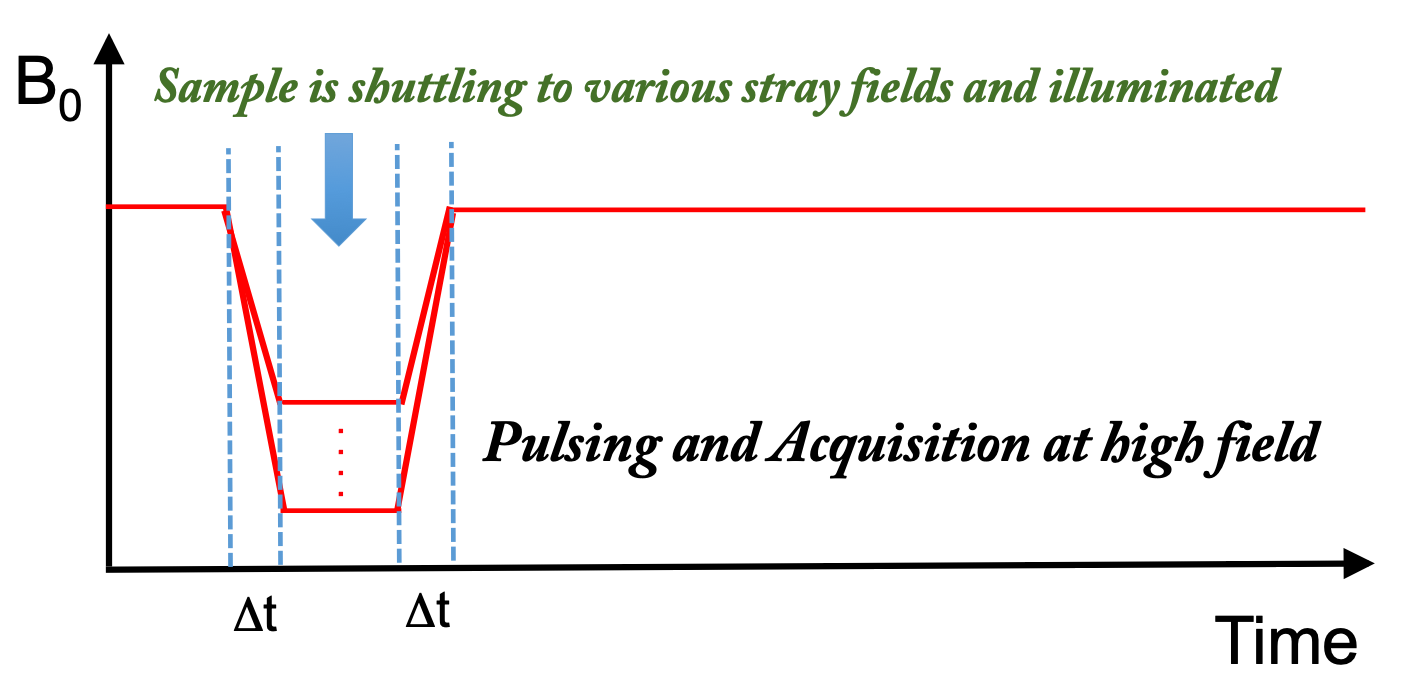
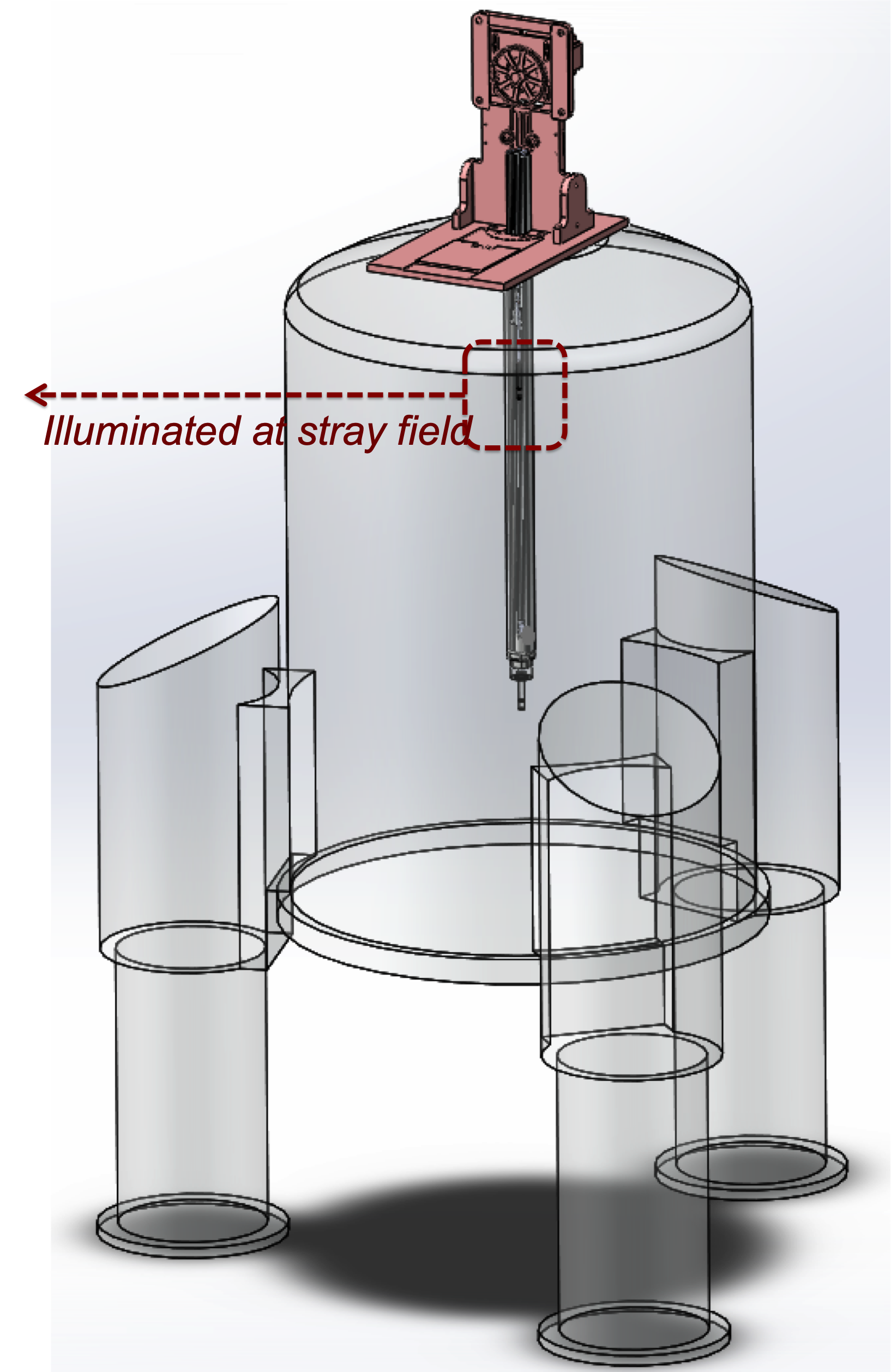
Field-cycling NMR illuminator provides a no-contact lighting mechanism to irradiate the field-cycling sample during the NMR experiment. It can irradiate the sample at variable stray fields in an NMR spectrometer. The device has no long optical-fiber flipping during shuttling. Therefore, the field-cycling sample can move rapidly and preciously between the illumination spot and the acquisition sweep spot. This shuttle-illumination device is an exclusive add-on to the High-Field Field-Cycler (HFFC). To learn more about the High-Field Field-Cycler, please go to HFFC.
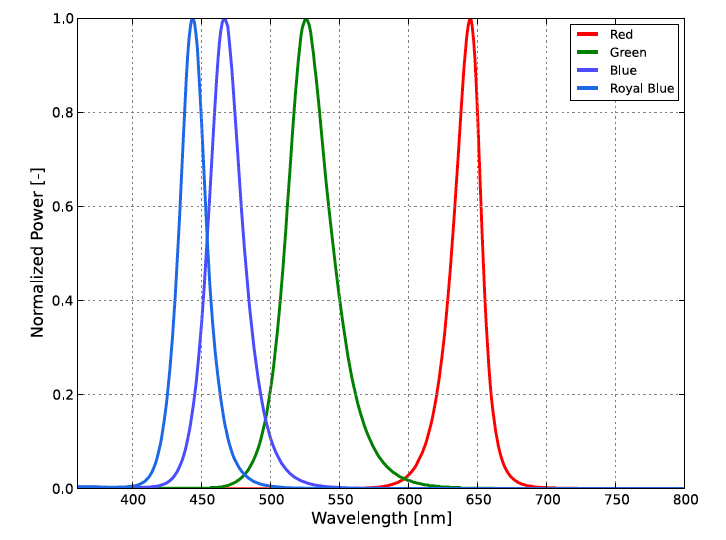
| Color | Wavelength (nm) | *Max. Irradiance (mW/mm2) | *Uniformity (dB) in the sample length of 30mm |
| Royal Blue | 440 ~ 455 | 750 | -0.6 |
| Blue | 465 ~ 485 | 500 | -0.5 |
| Green | 520 ~ 535 | 250 | -1.6 |
| Red | 620 ~ 630 | 300 | -2.8 |
Note:*The specification of maxima irradiance and uniformity shown here are the values on the surface of the sample tube.
The other wavelengths are upon customer requests
No touching illumination mechanism preserves the rapid sample shuttling feature as the standard high-field field-cycler. The high-field NMR spectrometer performance is also well-conserved. Hence, our shuttle-illumination device combined with our HFFC can perform the photo-correlated NMR experiments with comparable resolution and sensitivity as high-field NMR with additional information coming from light irradiation.
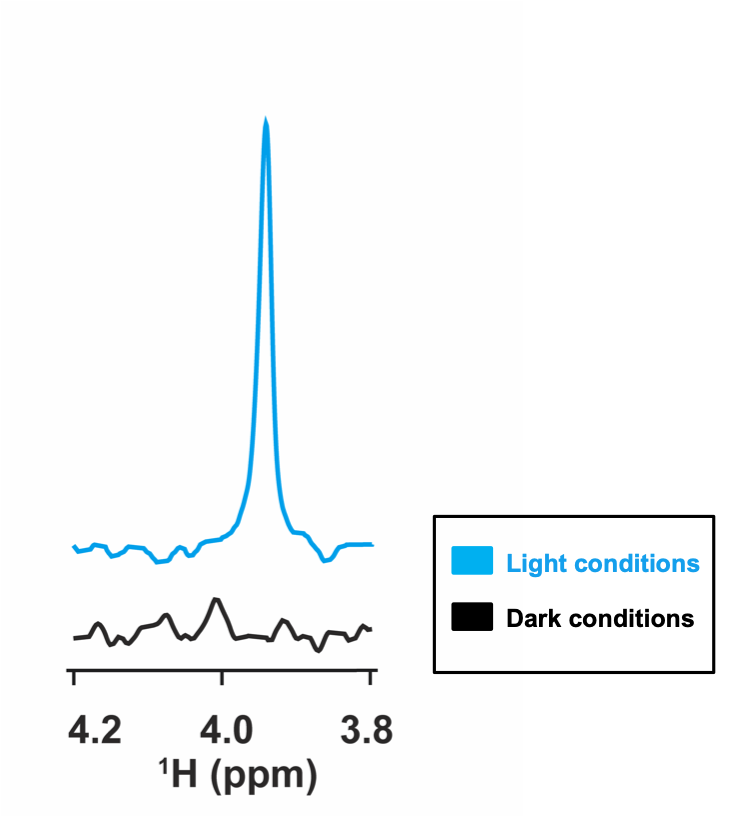
Photo-CIDNP experiment tailored to the detection of Hα-Cα resonance on 1µM Trp was performed by our shuttle-illumination device with the HFFC. HFFC was installed on Bruker 700 MHz equipped with a 5mm TXI cryoprobe. The optical irradiation time was 100ms. The illumination field was at the stray field, 150 MHz. This 1H spectrum was collected with 8 scans.
Reference:
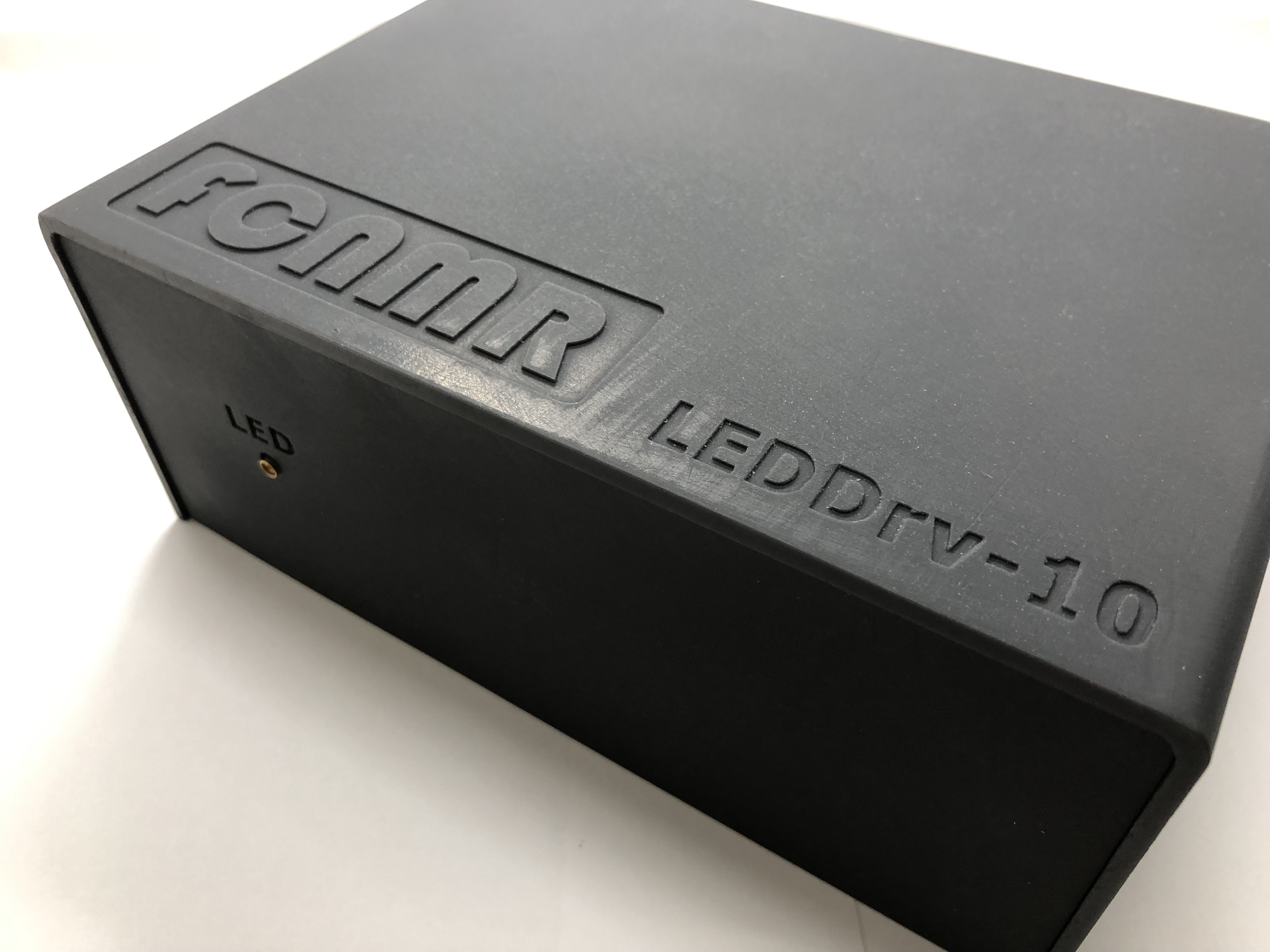
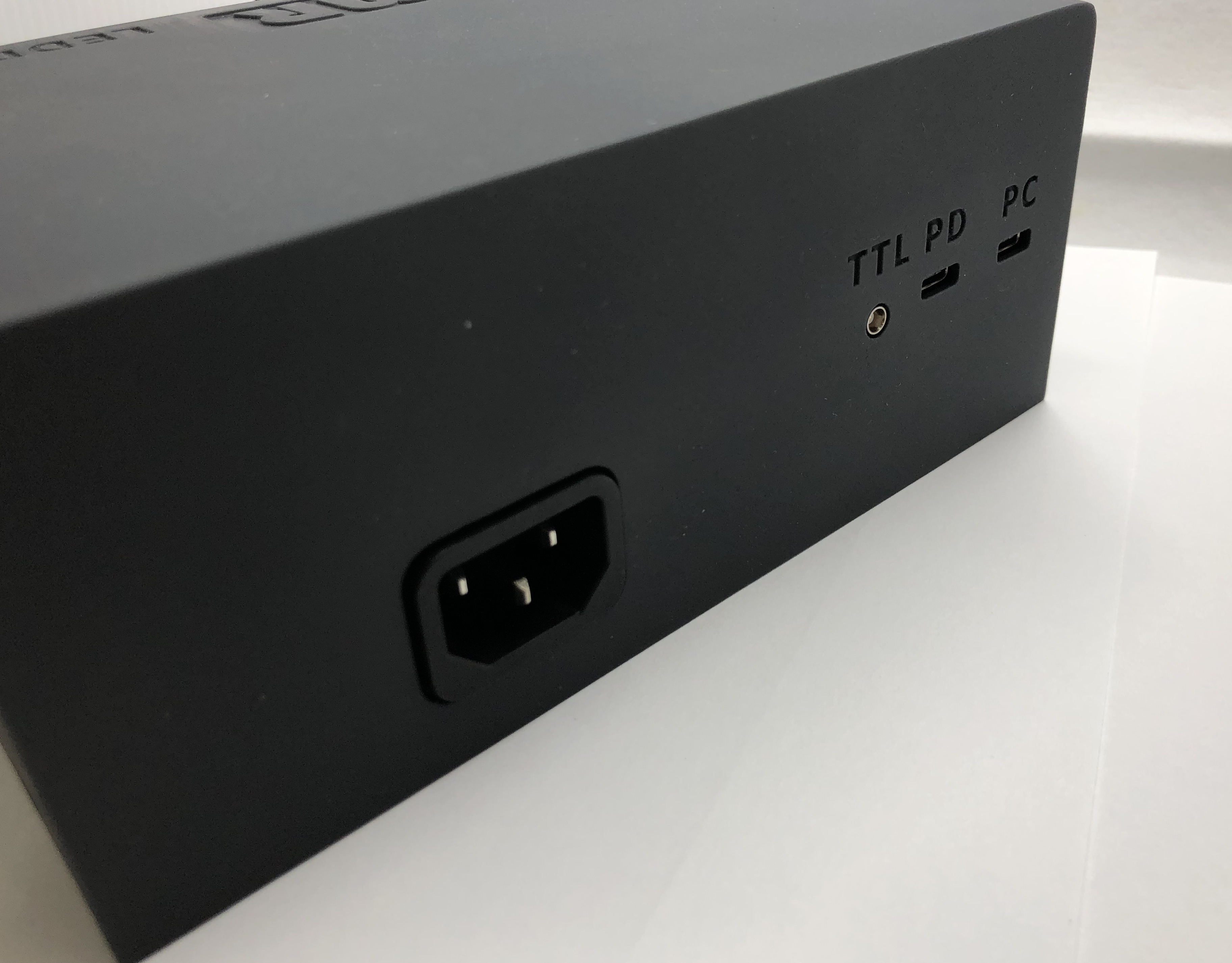
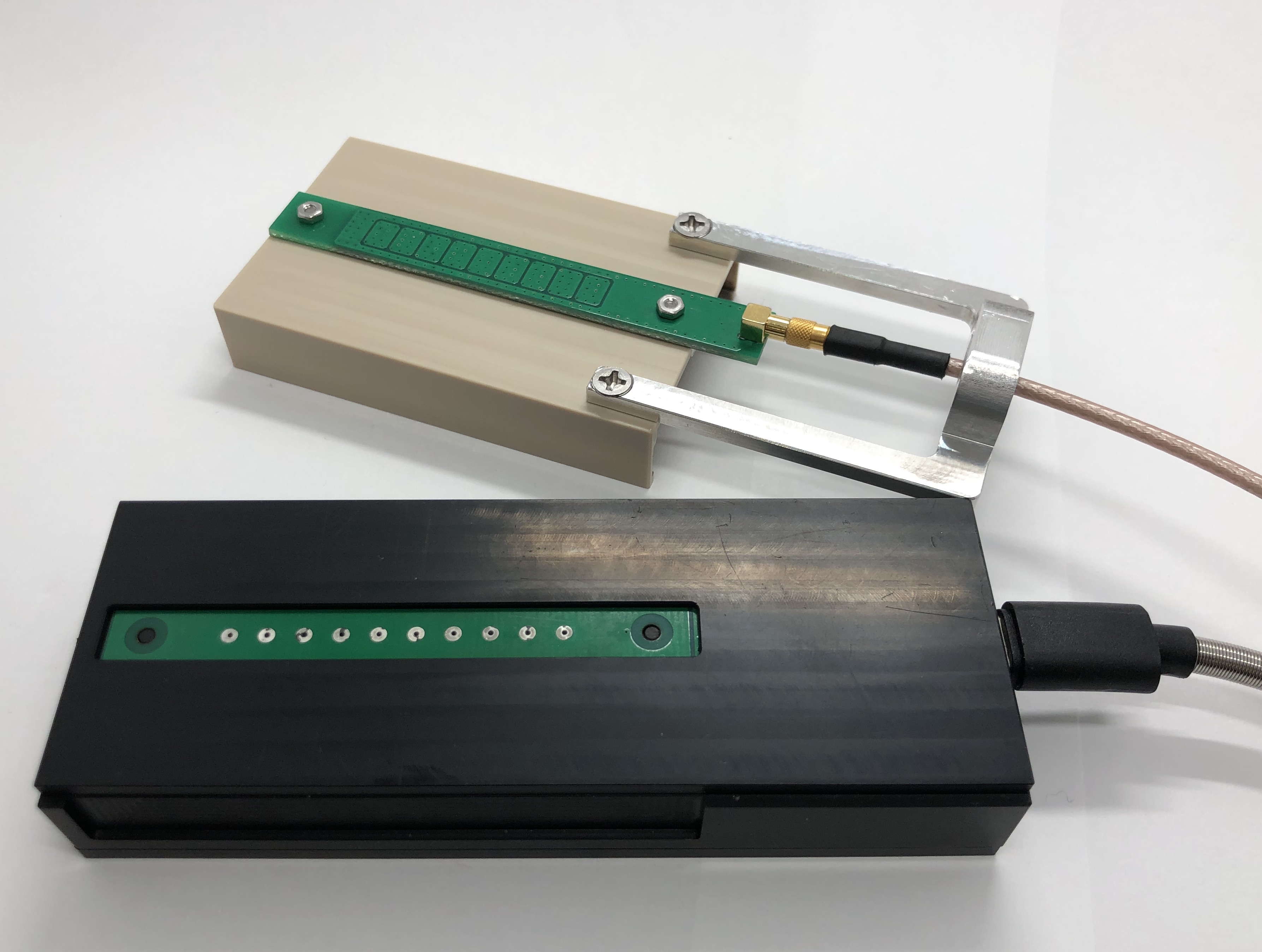
Get Details on Field-Cycling NMR Illuminator
High-Field Field-Cycler, a rapid sample shuttling system adapted to a high-field NMR spectrometer.
Inserting a fiber into the NMR tube during field-cycling creates two problems: the fiber physically contacts the sample and interferes with rapid shuttling, and the reflection at the fiber tip introduces signal variability between scans. The no-contact design eliminates both issues — the sample shuttles freely at full speed, and illumination uniformity is consistent across all scans, which is critical for 2D experiments requiring hundreds of identical shuttling cycles.
Yes. The illuminator module mounts on the shuttle rail with an adjustable position, allowing irradiation at different stray field positions along the NMR spectrometer bore. This is essential for field-dependent photo-CIDNP experiments where the sample needs to be irradiated at a specific target field before shuttling back to the detection field.
The illuminator is triggered via TTL signals compatible with Bruker, Varian, and JEOL NMR consoles. This allows precise synchronization of light-on/light-off events within the pulse sequence, enabling experiments such as photo-CIDNP, reaction kinetics, and time-resolved photochemistry without manual intervention.
Yes. The illuminator adopts a modular light-source design: the LED module is an interchangeable unit, while the driver and power supply are shared components that remain in place. If your experimental requirements change. For example, switching from blue to green excitation — only the LED module needs to be swapped, not the entire system. Each module is factory-calibrated for irradiance before delivery, so a replacement module arrives ready to use. This design significantly reduces the cost of wavelength reconfiguration and makes the illuminator a flexible platform for evolving research programs.
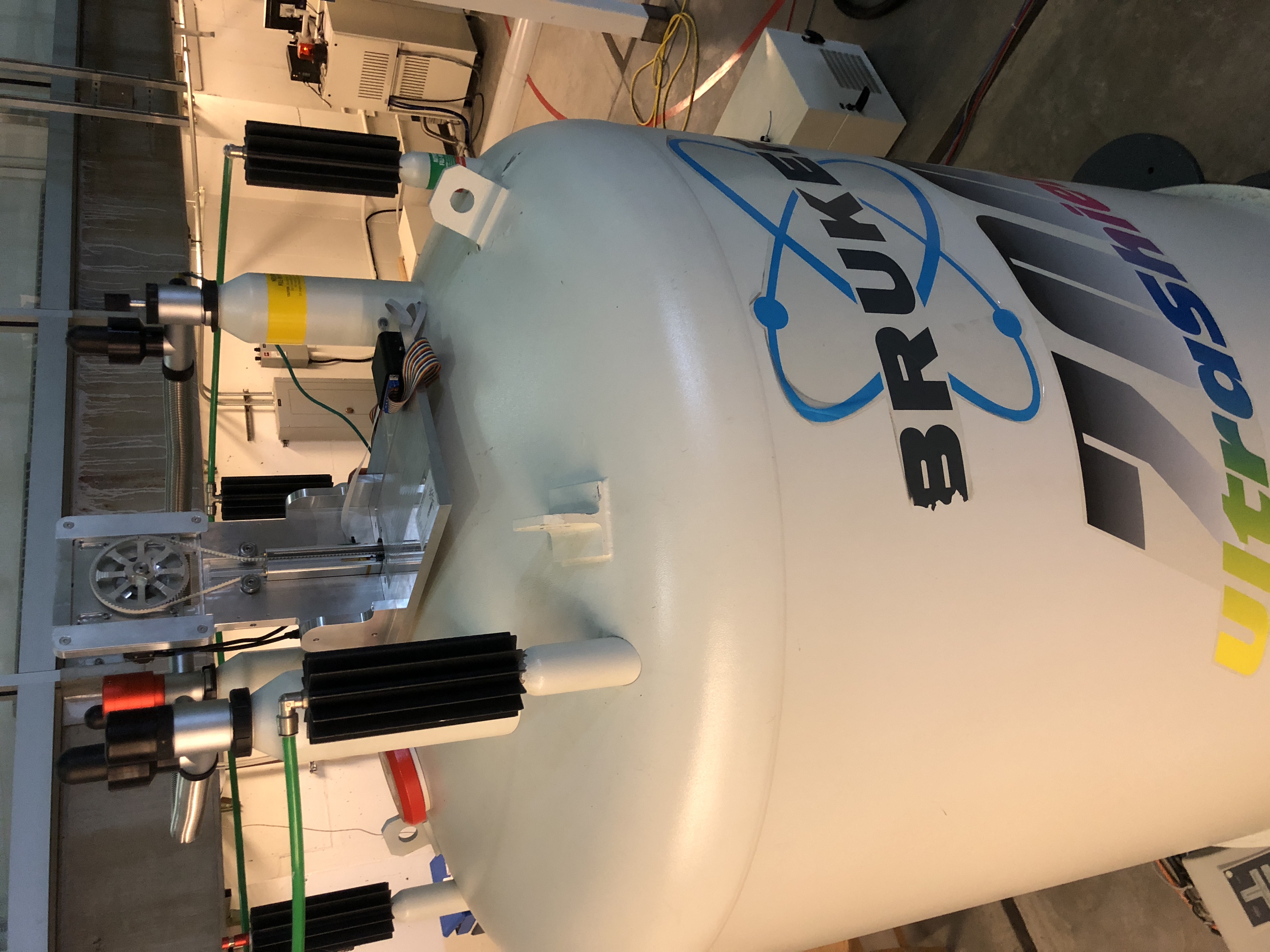 New York Structural Biology Center
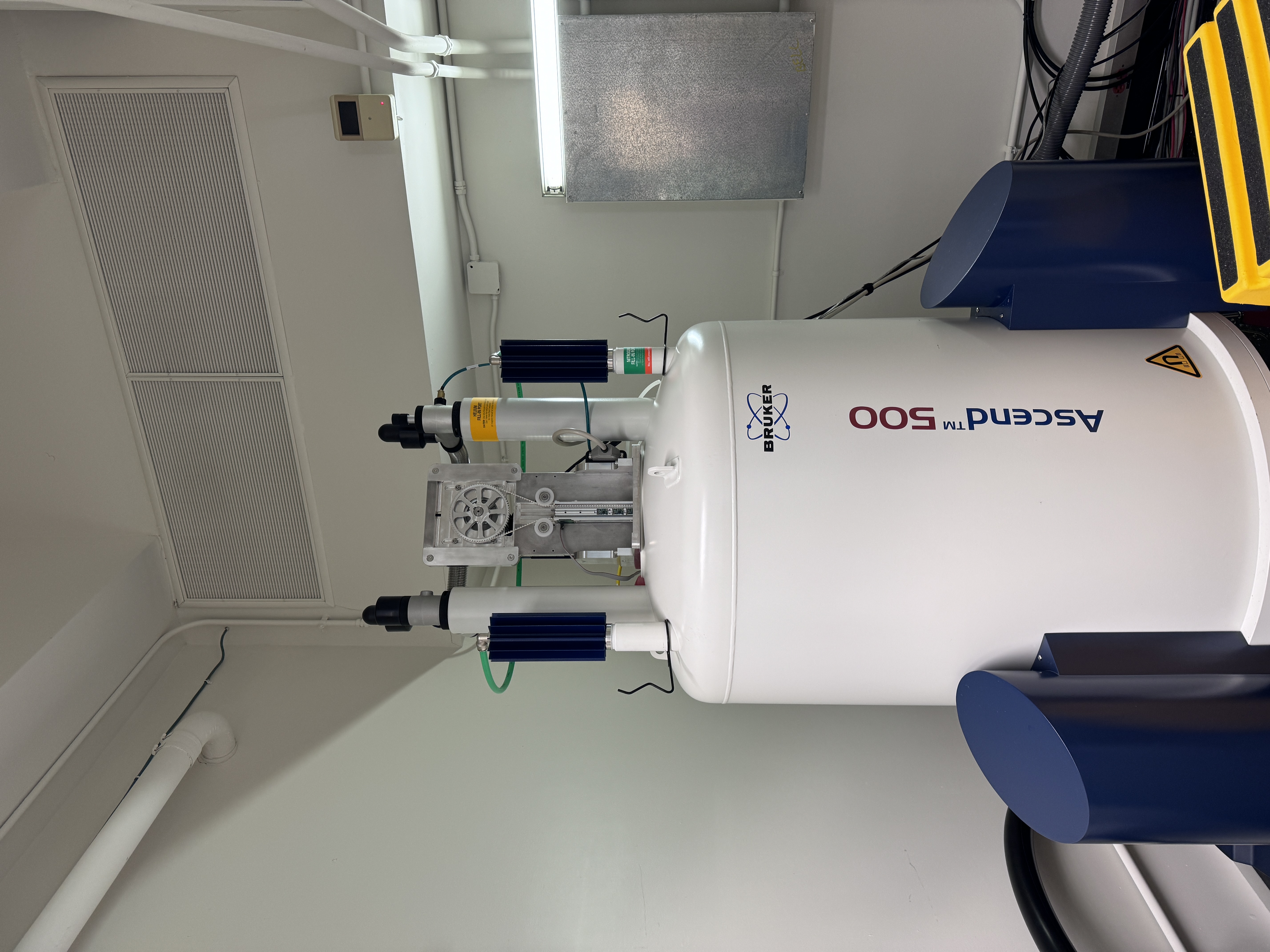 Washington University in St. Louis
For questions or quote inquiries, please fill out the following the mandatory columns. We will approach you as soon as possible. If you have already decided which wavelengths you want to use for your experiments, please leave it in the following message. We will meanwhile evaluate its availability.